Seasonal Skincare: Adjusting Your Beauty Routine for Winter
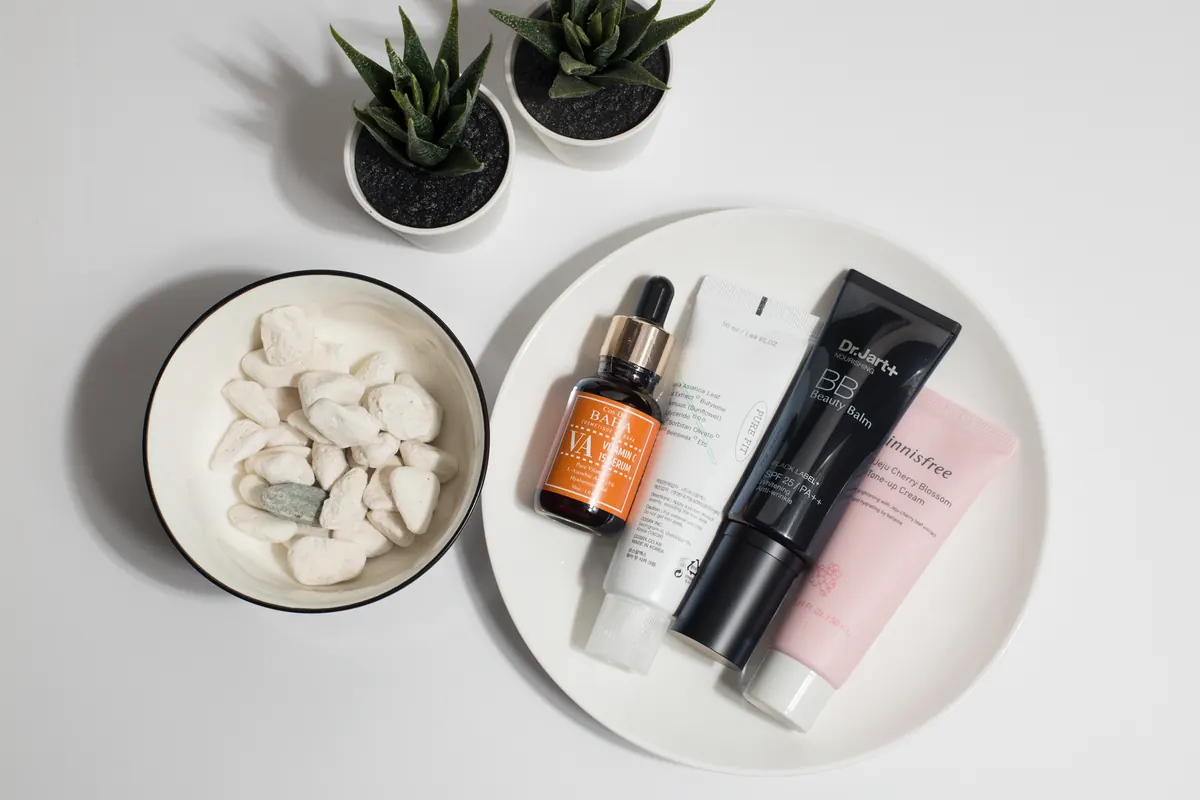
A practical winter skincare guide: gentler cleansing, layered hydration, smarter use of actives, and...


Walk down any busy shopping street and count the shoulders. They are wider than they used to be. The blazer that once fit like a second skin — nipped at the waist, sleeve ending exactly at the wrist bone — has given way to something looser, longer and far more relaxed. It turns up over jeans and a tank top, over slip dresses, over hoodies. What started as a runway styling trick is now the most dependable layer in a lot of wardrobes, and the reasons are more practical than you might expect.
Comfort is the obvious answer, but it is not the whole story. Tailoring spent decades being cut for a version of office life that no longer exists for most people. When dress codes loosened, the fitted blazer started to feel like costume. The oversized version does the opposite: it works with the clothes people actually wear — knitwear, denim, sneakers — instead of fighting them.
There is also a flattery argument that has nothing to do with hiding anything. A blazer with room in it creates a clean vertical line down the body and leaves the waist, hips and arms undefined. That reads as ease rather than effort, which is why the silhouette suits a wider range of bodies than a sharply fitted jacket does.
And it photographs beautifully. Loose tailoring catches light and movement, so a plain outfit suddenly has shape. Add the practical appeal — you can layer a sweater underneath without holding your breath — and the trend stops looking like a trend and starts looking like common sense.
Oversized is a design intention. Too big is an accident. Before you commit to any blazer, check these four points in a mirror, ideally in daylight.
Once the fit is right, the outfit is about balance. A big top half needs something deliberate underneath and below it.
Pair the wide blazer with a fitted base: a ribbed tank, a fine-gauge knit, a tucked-in T-shirt, straight-leg trousers, a slip skirt, leggings with boots. The eye reads the contrast as intentional rather than accidental.
If the blazer is long and roomy, keep the bottom half narrow or very short — a mini skirt, tailored shorts, straight jeans with a heel. Wide trousers under a long, wide jacket can work, but they need a defined waist: a belt, a tucked-in shirt, a cropped knit. Without that, the whole look collapses into a rectangle.
A short, roomy blazer pairs best with high-waisted everything. Wide-leg jeans, a midi skirt, pleated trousers — the jacket and the high rise meet at the waist and give the illusion of longer legs.
Worn open, the blazer creates two vertical lines down the body, which is quietly lengthening. Buttoned, especially in a double-breasted style, it builds a boxier, more deliberate shape. Both work. Just decide which one you are doing before you walk out the door.
Soft, unstructured blazers — cotton, linen blends, jersey, unlined wool — drape and feel casual, which makes them an easy match for denim and flat shoes. Structured jackets with real shoulder padding and a lined body hold their shape, and that structure is what makes an oversized cut look sharp instead of sloppy.
For warm weather, look for linen-cotton blends, unlined bodies and lighter colours. For autumn and winter, a heavier wool or wool blend in charcoal, navy, camel or brown will carry more outfits than a bright statement colour. Whatever you choose, check the lining and the seams: loose tailoring gets pulled around more when you move, so the stitching has to be up to it.
Most complaints about looking drowned come down to the same handful of habits. Wearing volume on volume is the first — a wide blazer over a chunky knit over wide trousers gives the eye nowhere to rest. Balance it with one fitted layer somewhere in the outfit. The second is the wrong shoes: a heavy jacket with a delicate flat sandal can look unbalanced, while boots or a pointed heel restore weight. The third is no waist signal at all. Tuck something in, add a belt, or choose a cropped length and let the high rise do the work.
Buy one in a neutral you already wear, get the shoulders right, and budget for a sleeve shortening if you need it. Then wear it three days in a row with three outfits you already own — jeans and a tee, a dress, trousers and a tank — and notice which combination you liked best. That is your formula; everything else is decoration.
A good oversized blazer is not a statement piece you save for occasions. It is the layer you reach for on a Tuesday, when the outfit is ordinary and you want it to look considered. Nail the shoulders and the rest is just styling.
Photo: Pexels / Pixabay
A practical winter skincare guide: gentler cleansing, layered hydration, smarter use of actives, and...
Ten well-chosen pieces can build weeks of outfits. Here's the essential starter checklist, what to look...
Parisian chic is a set of editing habits, not a birthright. Here's how to build the look with eight key...