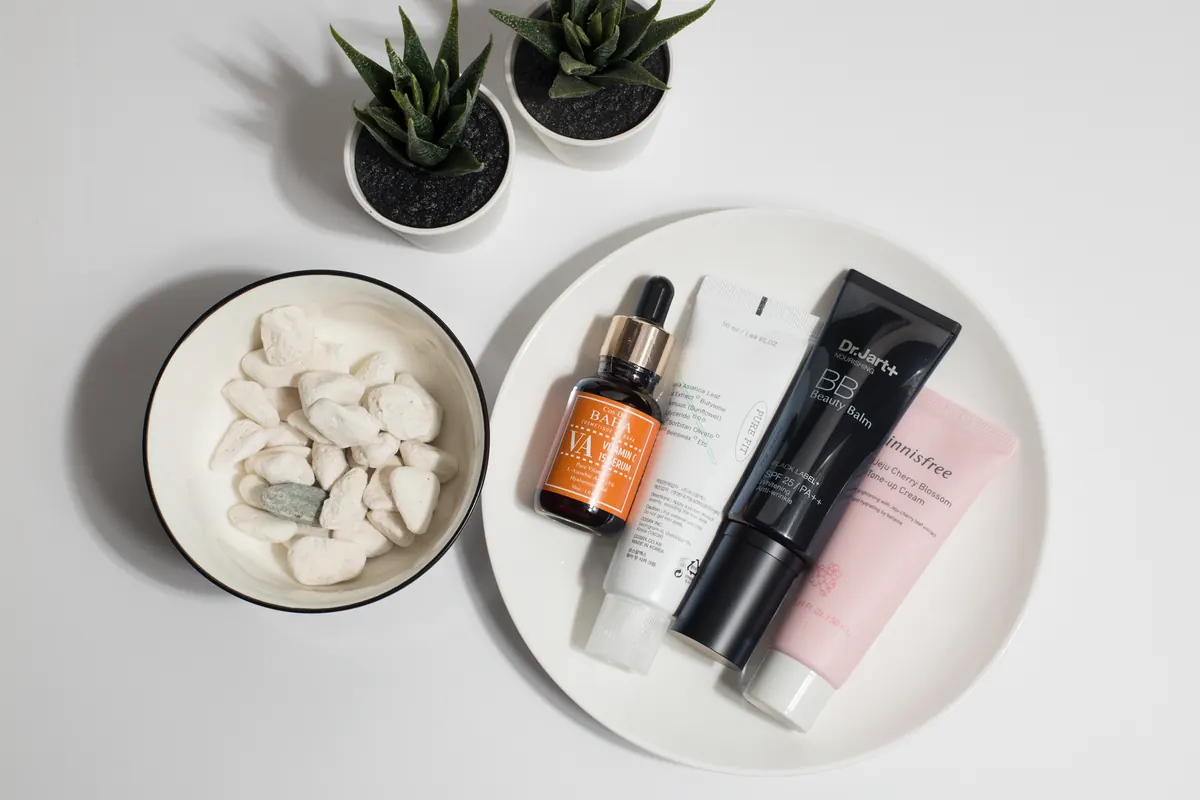
Seasonal Skincare: Adjusting Your Beauty Routine for Winter
A practical winter skincare guide: gentler cleansing, layered hydration, smarter use of actives, and...

Most closets don't fail because there aren't enough clothes in them. They fail because the clothes don't work together. You end up with four going-out tops, three pairs of jeans in almost identical washes, and nothing to wear to a Tuesday meeting that isn't a t-shirt.
Starting again is easier than it sounds, and usually cheaper than the slow accumulation that got you here. Ten well-chosen pieces can carry you through weeks of outfits — not because ten is a magic number, but because every item earns its place by working with the other nine. Here's the checklist, and what to look for when you buy each piece.
Before you look at a single item below, deal with fit. It matters more than brand, price or trend, and it's the reason two people can wear the same shirt and only one looks sharp. A plain t-shirt that sits right on the shoulder and sleeve beats an expensive one that pulls across the chest.
Learn three measurements and you'll shop faster: shoulders should end at the edge of your natural shoulder line, sleeves should stop at the wrist bone, and trouser hems should touch the top of your shoe with one slight break — no puddle of fabric. Jackets should end at the hip or mid-thigh. If something is close but not perfect, budget for a tailor. Taking in a waistband or shortening a hem is a small cost for a large difference.
If a garment doesn't fit in the shoulders, leave it on the rack. Everything else can be adjusted; that can't.
Fabric is the second filter. Cotton, wool, linen and blends built around them drape better and age better than most cheap synthetics. You don't need luxury. You need a fabric that still holds its shape after the tenth wash.
Buy these in neutral colours first — white, black, navy, grey, olive, camel, denim blue. Add colour and pattern later, once the base exists.
Pick three core colours plus your neutrals and refuse everything else for now. If your palette is navy, grey and olive, a bright red jacket is a guest, not a resident — it works with a fraction of your wardrobe and will sit unworn.
If your trousers are slim, your tops should be too. A boxy shirt over skinny jeans fights itself. Consistency is what makes a small wardrobe look deliberate rather than accidental.
Before you pay, name three pieces you already own that you'll wear the new item with. If you can't, you're buying a costume, not a wardrobe.
Buy in order of how often you'll wear something, not how exciting it is. Bottoms and shoes first — they anchor everything and get worn daily. Tops and layers next. The coat last, when you can give it proper attention.
Secondhand is where a small budget goes furthest. Coats, blazers and knitwear are often barely worn, and older wool and cotton is frequently better quality than what you'd buy new at the same price. Shopping online, ask for measurements rather than trusting the size label. Shopping in person, try the whole outfit on, not just the item. And when you're unsure, wait a week — if you're still thinking about it, it's probably worth buying.
A ten-piece wardrobe only works if the pieces survive. Wash less often and air clothes between wears. Fold knits instead of hanging them, since hangers stretch shoulders. Stuff boots with paper to hold their shape, and keep a small kit for loose buttons and dropped hems. Maintenance sounds dull until you realise it's the difference between replacing your wardrobe every year and keeping it for five.
You don't need to buy all ten this month, and you shouldn't. Find the two or three lines on that list you're most missing — usually the trousers, the shoes and the mid-layer — buy the best versions you can afford, and wear them for a week before adding anything else. That week tells you what your wardrobe actually needs next, which is information no checklist can give you.
Ten pieces bought thoughtfully will out-dress fifty bought in a hurry. Start with fit, stay inside your palette, and let the combinations do the rest.
Photo: congerdesign / Pixabay
A practical winter skincare guide: gentler cleansing, layered hydration, smarter use of actives, and...
Parisian chic is a set of editing habits, not a birthright. Here's how to build the look with eight key...
Fast fashion and sustainable fashion come down to speed versus duration. Here's how their environmental...