Seasonal Skincare: Adjusting Your Beauty Routine for Winter
A practical winter skincare guide: gentler cleansing, layered hydration, smarter use of actives, and...

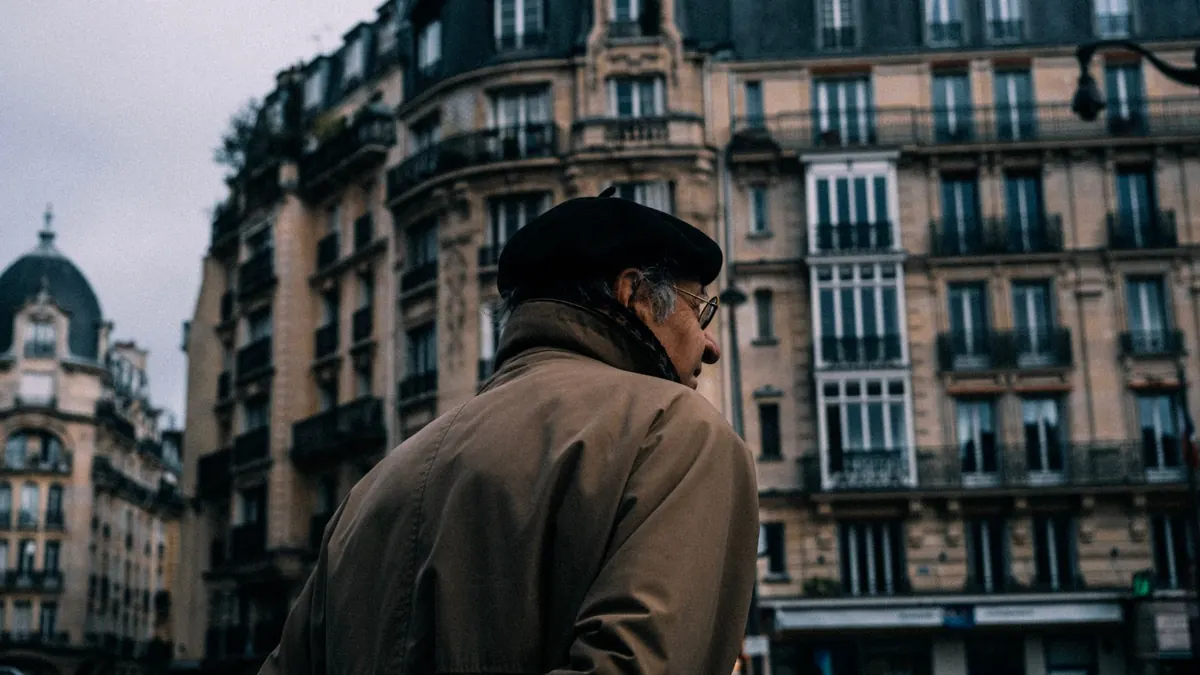
Parisian chic is usually sold as something you're born with. It isn't. Watch a woman in the Marais on an ordinary Tuesday and you'll notice a short list of decisions rather than a secret: clothes that fit, colors that agree, and one detail left deliberately undone. That formula travels. You can build it in Cleveland, Seoul, or São Paulo using pieces you already own and a handful of replacements chosen with more care than cash. What follows is the practical version — what to buy, how to wear it, and the small habits that make a considered outfit look like it took no thought at all.
Parisian style is not minimalism for its own sake, and it is not expensive. It is editing. The look rests on neutrals, clean lines, and a refusal to over-accessorize — fewer pieces, worn better. Two principles carry most of the weight: the outfit should be quiet enough that you are the interesting part, and everything should look intentional without looking labored.
A useful test before you leave the house: count the focal points. A statement coat, a bold lip, and a printed scarf are three. Keep one, maybe two, and remove the rest. If the outfit suddenly feels plain, that's closer to right than you think.
You do not need a large closet. You need these, in colors that work together, in fabrics that hold their shape.
This is the part most people skip, and it's why the look fails outside Paris. A €40 blazer that has been taken in at the waist and shortened at the sleeve looks better than a designer one that hangs. Find a tailor you trust, then budget for alterations every time you buy something. Hems, waistlines, and sleeve length are the three adjustments that change an outfit most. Take the clothes in with the shoes you'll actually wear them with.
A full tuck with a belt creates a waist and a clean line. A front tuck — just the front of the shirt, with the back loose — works over jeans and skirts when you want the outfit to relax. The mistake is the half-hearted tuck that looks like an accident.
Push jacket and shirt sleeves up two inches, with a slightly careless roll. It shows the wrist, breaks the stiffness of tailoring, and instantly makes the outfit look lived in.
One open button. Hair that isn't sprayed into place. A scarf draped rather than knotted into a perfect loop. This single flaw is what separates "put together" from "trying hard."
Wide trousers need a closer-fitting top. A voluminous blouse wants a slimmer bottom. Volume on volume can work, but it takes a deliberate eye and a mirror check from the side.
Pick three or four neutrals — black, navy, cream, camel, grey, denim blue — and one accent you love, whether that's burgundy, olive, or a soft pink. Almost every outfit then draws from that pool, which is why the wardrobe looks cohesive even when you're grabbing things in a hurry.
Denim counts as a neutral. So does a light trench. Patterns are allowed, but keep to one per outfit, and choose textures instead: silk against denim, wool against cotton, leather against knitwear. Texture adds interest that pattern can't, and it never dates. A quiet rule worth borrowing: if you're wearing something bright or patterned, let everything else be calm.
The clothes are only two-thirds of the effect. Hair that looks like it was air-dried rather than styled, skin that looks healthy rather than painted, and a mouth that isn't over-lined are all part of the picture.
Keep it simple: clean hair with a little texture through the ends, pulled into a low bun or worn loose; a light base, a touch of cream blush, and either a defined brow or a red lip — not both; short, tidily filed nails; one fragrance applied sparingly. If you wear makeup, choose one feature to emphasize and leave the rest bare. You'll look more like yourself, which is the entire point.
You don't need Parisian shops, just Parisian standards. Check the fabric content before the brand tag, and put the garment back if it's mostly synthetic and feels thin in the hand. Look at the seams, the lining, and whether the buttons feel solid.
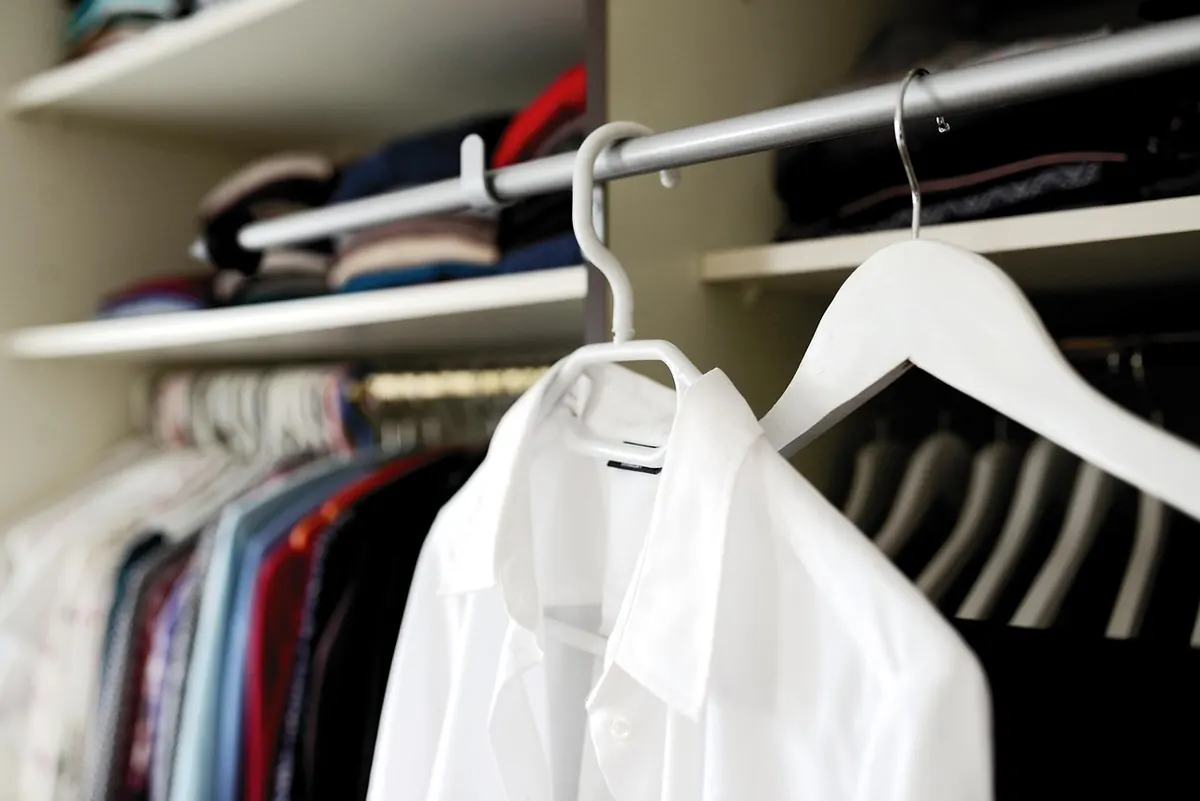
Don't attempt a full overhaul in one afternoon. Day one: empty the closet, try everything on, and make three piles — keep, tailor, let go. Day two: book the tailor. Day three: assemble five complete outfits and hang them together, shoes and bag included. Day four: identify the gaps those five outfits revealed. Day five: shop only from that list. Day six: photograph the outfits you liked most so you can repeat them without thinking. Day seven: wear one, and resist the urge to add anything.
The habit that matters most is subtraction. Before you leave the house, take one thing off and look again. Most of the time, you'll look better — and that's the trick, all of it, available anywhere in the world.
Photo: Mathias Reding / Pexels
A practical winter skincare guide: gentler cleansing, layered hydration, smarter use of actives, and...
Ten well-chosen pieces can build weeks of outfits. Here's the essential starter checklist, what to look...
Fast fashion and sustainable fashion come down to speed versus duration. Here's how their environmental...