
The 10-Piece Starter Wardrobe Checklist for Any Beginner
Ten well-chosen pieces can build weeks of outfits. Here's the essential starter checklist, what to look...

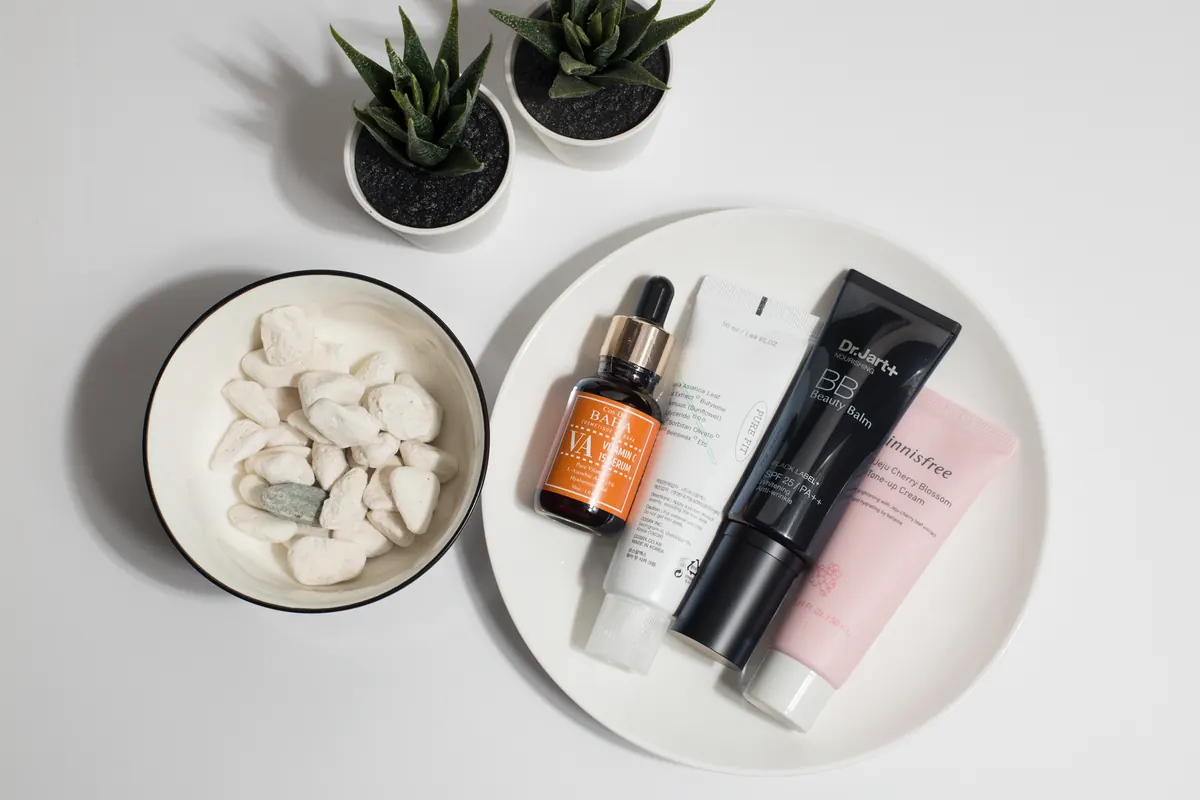
Winter doesn't ask your skin for permission. One week you're fine with the same gel cleanser and light lotion you've used since September; the next, your cheeks feel tight by mid-morning, your knuckles are cracking, and foundation catches on a dry patch beside your nose. Nothing is wrong with your routine. The weather changed, and the routine didn't.
Seasonal skincare is mostly about editing, not shopping. A few deliberate swaps usually do more than a basket of new products. Here's what to change, and in what order.
Two things happen at once. The air outside holds less moisture, and the air inside — warmed by radiators or a heat pump — holds even less. Your skin's outer layer works as a barrier: skin cells packed together with lipids such as ceramides and fatty acids that keep water in and irritants out. When dry air and wind strip the surface, water escapes faster. That tight, flaky, occasionally itchy feeling is your skin losing the battle.
Add hot showers, wool scarves, and one too many acid treatments, and you have a rough January. The goal for the next few months is simple: put water in, keep it there, and stop stripping what's already there.
If you change one product, change this one. Foaming and gel cleansers that felt refreshing in July can leave winter skin squeaky and tight — which isn't a sign of clean, it's a sign of stripped. Look for a cream, milk, or oil cleanser, or a gel formula labelled for dry or sensitive skin.
Two habits matter as much as the bottle. Use lukewarm water, never hot. And if your skin is dry, cleanse properly at night and simply splash with water in the morning; many people don't need a full wash twice a day in winter. On heavy makeup or high-SPF days, a balm or oil cleanser followed by a mild second cleanse is kinder than scrubbing twice with the same strong wash.
Winter skin responds well to layering, and the categories do different jobs.
Timing does a lot of quiet work here. After washing, pat your face so it's damp but not dripping, then apply serum and moisturiser within about a minute. You're trapping that water rather than chasing it an hour later.
Retinoids, acids, and strong vitamin C serums are useful all year, but winter skin has less margin for error. If you're suddenly peeling or stinging, the product probably isn't wrong; the frequency is.
Cut your retinoid from nightly to two or three nights a week, and apply it over moisturiser instead of under it. Swap a strong AHA or BHA for a gentler lactic acid, or use it every other week rather than twice weekly. Set aside physical scrubs while your skin is reactive — they turn a small dry patch into a raw one fast. Give any change two to three weeks before judging it, since barrier repair takes time.
Ultraviolet light doesn't take the season off, and snow bounces it back at your face, so winter exposure adds up in ways people underestimate. A broad-spectrum SPF 30 built into your moisturiser is plenty for most days; if you're skiing, hiking, or outdoors for hours, use a proper sunscreen and reapply.
Lips, hands, cuticles, ears, and the sides of the nose dry out first and hurt most. Keep a balm with petrolatum or lanolin in your coat pocket, wear gloves when it's cold and especially when handling wet things, and moisturise hands after every wash. The night cream on your face works fine on hands and cuticles too.
A humidifier in the bedroom is one of the most underrated winter skin tools. Keep it clean and aim for air that doesn't feel bone-dry; a small hygrometer will tell you where you stand. Turn the thermostat down a degree or two if you can bear it, shorten showers to a few minutes, and wash with a mild, fragrance-free body wash before moisturising while skin is still damp.
Fabric counts as well. Wool and heavy synthetics irritate dry skin directly, so layer a soft cotton or silk shirt under that scratchy sweater. If you're itchy, try fragrance-free detergent.
Dryness that improves with moisturiser is normal. Skin that cracks, bleeds, weeps, or itches through the night isn't something to power through with another cream. Persistent rashes, eczema flares, and sudden sensitivity are worth showing to a dermatologist or pharmacist, who can tell the difference between winter dryness and a condition that needs treatment.
Winter skincare works best when it's boring: cleanse gently, hydrate on damp skin, seal it in, protect your face and hands outdoors, and keep the air in your home from turning to dust. Pick two changes this week — the cleanser and the humidifier are good places to start — and give them a fortnight. By the time the cold settles in properly, your skin will have stopped complaining.
Photo: Elena Druzhinina / Pexels
Ten well-chosen pieces can build weeks of outfits. Here's the essential starter checklist, what to look...
Parisian chic is a set of editing habits, not a birthright. Here's how to build the look with eight key...
Fast fashion and sustainable fashion come down to speed versus duration. Here's how their environmental...