
Seasonal Skincare: Adjusting Your Beauty Routine for Winter
A practical winter skincare guide: gentler cleansing, layered hydration, smarter use of actives, and...

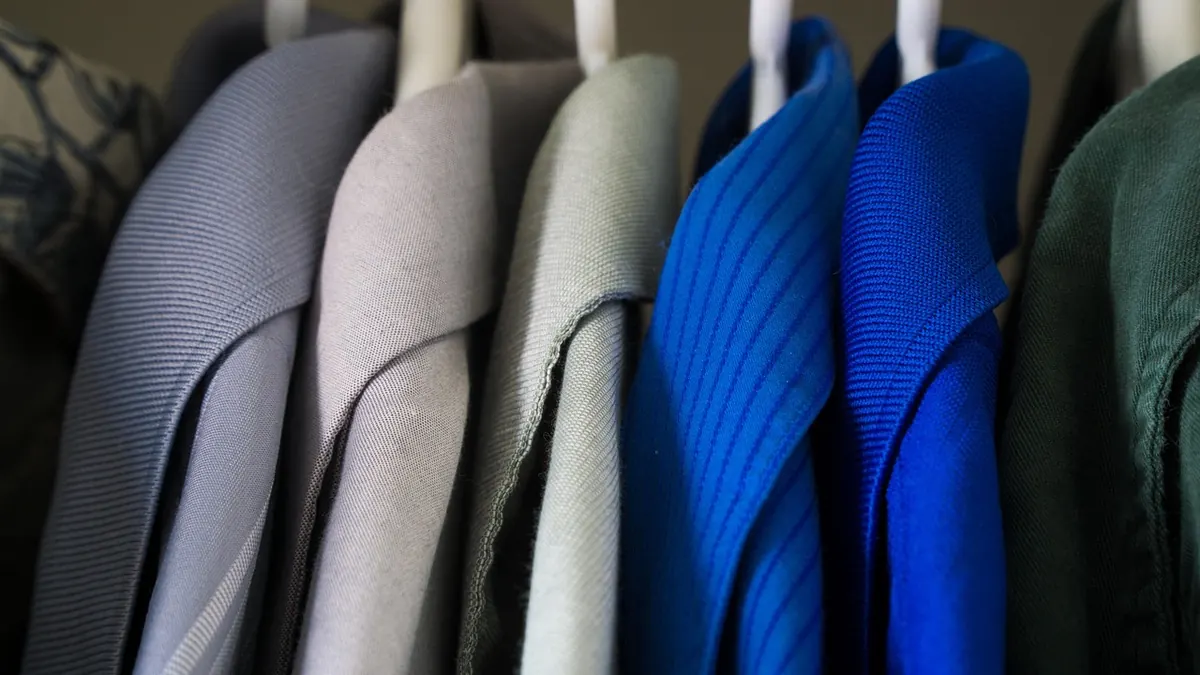
A capsule wardrobe is not a uniform, and it is not a punishment. It is a short list of clothes you trust: pieces that fit properly, work together, and get you dressed in under ten minutes on a morning when your brain has other priorities.
For anyone juggling meetings, deadlines and a weekend that begins the moment the laptop closes, that kind of wardrobe solves a real problem. Fewer decisions, fewer regrets, more outfits from less space.
Here is how to build one that survives an actual calendar.
Before you buy anything, give away one evening to what you already own. Empty the closet — all of it — and sort into three piles: worn in the last two weeks, worn in the last year, and cannot remember wearing. Most people find the first pile is smaller than expected, and strangely repetitive.
Now interrogate that first pile. Each piece has to answer four questions:
Keep what passes most of the test; box the rest for thirty days. If you don't reach for the box, you have your answer. What remains is not a wardrobe yet, but it is an honest map of what you actually wear.
Three neutrals, two accents. That is the whole formula. Pick something like navy, charcoal and ivory, or black, grey and camel if you prefer cooler tones. Then add accents that flatter you: burgundy, olive, moss green, dusty blue, a deep rust.
Every accent has to pair with at least two neutrals. If your accent pieces only look good next to each other, you have built a side wardrobe instead of a capsule, and it will quietly stop getting worn.
If you walk to work in the rain, pale suede is a mistake. If you refuse to iron, don't fill your closet with crisp cotton shirts for the office. Buy for the life you have, not the one in the lookbook.
Work is where the pressure is highest and the outfits repeat most, so it gets the structure. A working core for most professionals looks like this:
Notice that nothing here is loud. That is deliberate. The interest comes from texture and shape — a ribbed knit, a slightly wider trouser — not from print, which is the fastest way to make a small wardrobe feel repetitive.
The mistake most people make is treating work and weekend as two separate wardrobes. They should overlap. Add four or five pieces in the same palette: dark denim, a plain white or striped tee, an overshirt or denim jacket, a relaxed knit, clean sneakers or ankle boots.
Then run one test. Can each weekend piece be worn with a work bottom, or under a work blazer? If not, it is a costume for Saturday, and it will sit in the drawer while you reach for the same three things.
A small wardrobe only works if the clothes last. Look for wool blends and merino knits that resist creasing, cotton poplin with a bit of stretch, ponte and gabardine for trousers, and crepe for anything that needs to drape. Those fabrics survive a commute and a long day, and they wash or steam back into shape easily.
Fit matters more than label. Check the shoulder seam sits on your shoulder, the waistband doesn't gap when you sit, and the hem breaks where you want it. A tailor can shorten sleeves, take in a waist and adjust a hem — those are simple fixes. If a garment needs rebuilding across the chest or shoulders, return it. Ask for an alteration quote before you commit, and decide whether the total cost still makes sense to you.
If a piece needs a special bra, a special shoe and a special occasion, it is a costume, not a wardrobe.
Formulas remove the guesswork. Once you have a core, the same few combinations rotate with small changes, and nobody notices the repetition the way you do.
The trick is to change one element at a time: swap the shoe, add a layer, change the bag. One change reads as a new outfit; three changes read as chaos.
A capsule is a system you maintain, not a project you finish. Twice a year, take twenty minutes to try on the core pieces, retire anything that has worn out or stopped fitting, and note the genuine gaps on your phone instead of guessing in a shop.
Then follow one rule: replace, don't expand. If something new comes in, something goes out. Wash knits cold and flat-dry them, hang tailored pieces to air between wears, and keep a small sewing kit for loose buttons and hems — those ten minutes add years to a garment.
And if you are rebuilding a wardrobe on a strict budget, set a monthly amount you are comfortable with and stay inside it. That is a simple habit, but if money decisions get complicated, a financial professional is a better conversation partner than a fashion one.
Start with the audit this week. You will probably find that the wardrobe you want is already half-built, waiting for you to stop buying around it.
Photo: sdnet01 / Pixabay
A practical winter skincare guide: gentler cleansing, layered hydration, smarter use of actives, and...
Ten well-chosen pieces can build weeks of outfits. Here's the essential starter checklist, what to look...
Parisian chic is a set of editing habits, not a birthright. Here's how to build the look with eight key...