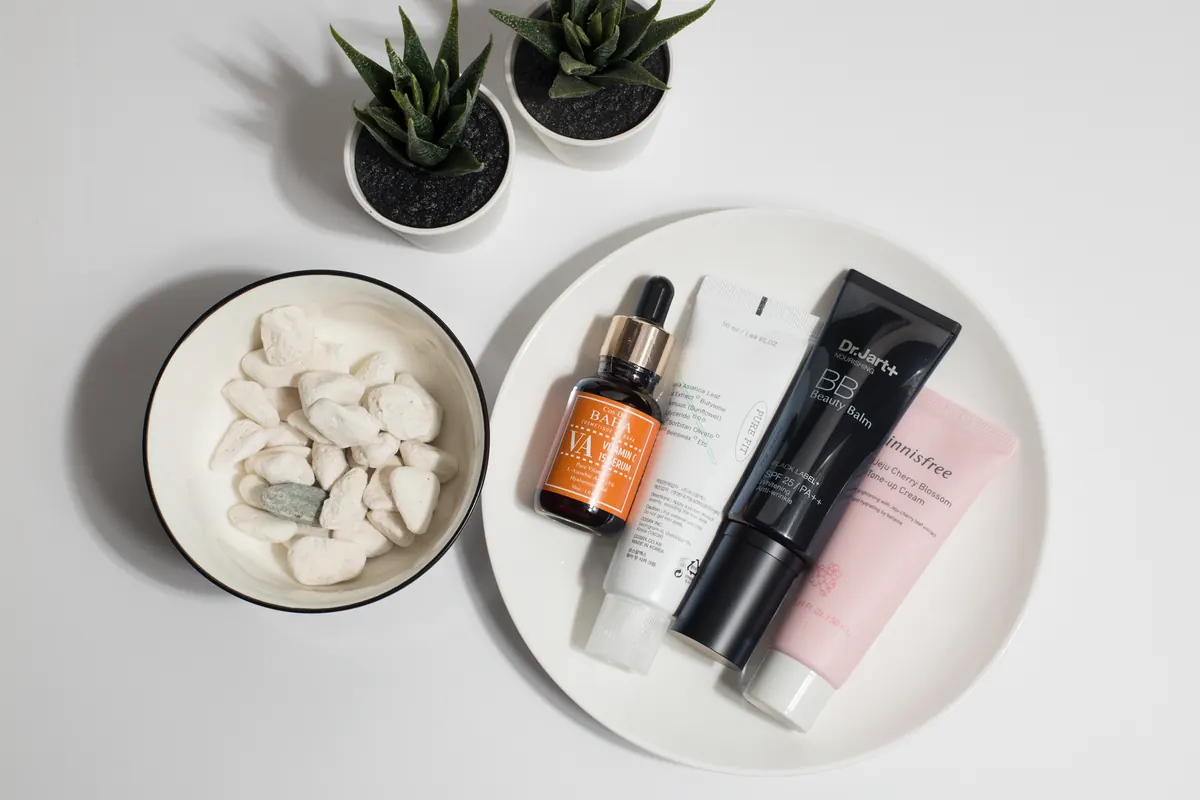
Seasonal Skincare: Adjusting Your Beauty Routine for Winter
A practical winter skincare guide: gentler cleansing, layered hydration, smarter use of actives, and...

You put on a decent outfit. The pieces fit, the colors don't fight each other, nothing looks obviously wrong. And yet, standing in front of the mirror, you feel nothing. That flatness is rarely a sign that your clothes are bad. It usually means your outfit has no contrast, no texture, and no point of view. It's the visual equivalent of a sentence with no verb.
The good news: this is the easiest problem in style to solve, because you already own most of what you need. You're just not using it.
Most people build outfits from safety. Jeans, a plain tee, white sneakers. Or a blazer, a neutral blouse, dark trousers. Individually, every piece is fine. Together, they cancel each other out, because nothing in the outfit is doing any work.
Compare two all-black outfits. One is a black turtleneck, black tailored trousers, and black leather ankle boots. The other is a black sweatshirt, black joggers, and black sneakers. Same color palette, completely different result. The first looks deliberate. The second looks like laundry day.
The difference isn't price or body type. It's shape, shine, and intention. Boring is not the same as ugly. Boring is neutral, and neutral happens by accident far more often than by design.
Color is the fastest way to add interest, and the one most people avoid out of fear. You don't need to dress like a color wheel. You need one accent, used twice.
Pick a base that suits you: navy, charcoal, cream, denim blue, brown. That's 80 percent of the outfit. Then choose a single accent color and place it in two spots, so it reads as intentional rather than random. A rust knit with rust socks. A burgundy bag with a burgundy belt. An olive jacket with olive in your scarf.
Two appearances signals "I meant this." One appearance can look like a mistake. Four appearances starts to look like a costume.
Hold a piece of clothing up to your face in daylight and look for the color that makes your eyes look clearer and your skin look even. That's your accent. It doesn't have to be loud. A soft camel, a deep teal, or a muted mustard does more than another gray.
If your wardrobe is a wall of black, white, gray, and beige, buy exactly one accent piece this month: a sweater, a scarf, or a pair of shoes. One is enough to change how your existing clothes look.
An all-neutral outfit can look expensive or it can look like a uniform, and texture decides which. Texture is the mix of matte and shine, smooth and rough, soft and crisp.
A simple rule: aim for at least two textures per outfit, three if the colors are quiet. If everything you're wearing is cotton jersey, that's why the mirror feels dull.
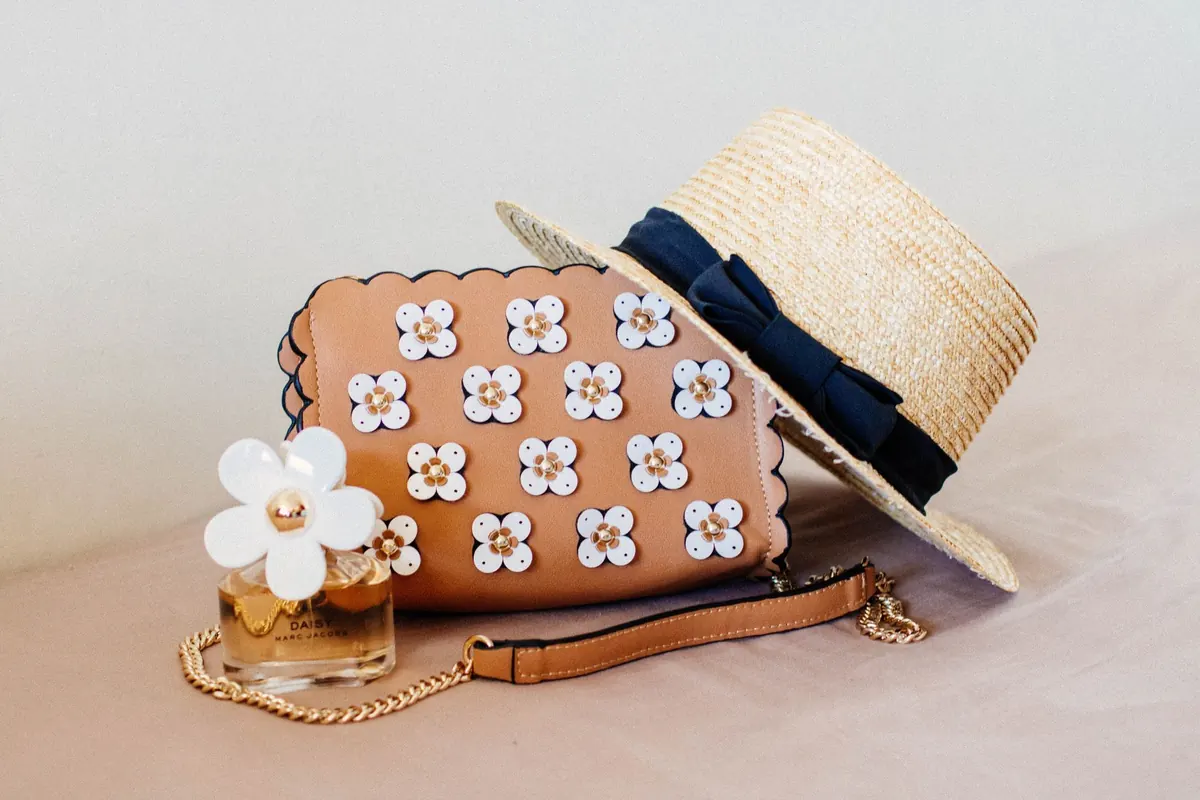
Most people treat accessories as an afterthought, which is exactly backwards. They're the cheapest, fastest variable in the whole equation, and you can change them without buying a single new garment.
Work through this list before you leave the house and choose two:
Two is the sweet spot. One looks unfinished, five looks cluttered, and clutter is its own kind of boring because the eye has nowhere to land.
Sometimes the outfit is fine and the proportions are off. Volume works best when it's balanced: a loose, oversized top with slim trousers, or a fitted top with wide-leg pants. When everything is slim you look like a sketch; when everything is oversized you look like you borrowed it.
Three small adjustments fix most of it. Tuck the front of your top so your waist exists. Push your sleeves up to show your wrists. Cuff your hem or get the one or two pairs of trousers you wear most often shortened by a tailor. None of these cost much, and together they change how every outfit you own sits on your body.
If you keep arriving at the same flat combination, look at what you actually own. Many wardrobes are 80 percent quiet basics and 20 percent pieces that don't go with anything. That math can only produce one result.
Try this once, on a Sunday afternoon with your closet emptied onto the bed. Build five complete outfits, then count how many pieces appear in more than one. Whatever shows up repeatedly is your real style, and it's worth doubling down on. Whatever never gets picked in five attempts is either a size or fit problem, or it isn't you.
Stand back from the mirror. Squint slightly, so you see shapes and blocks of tone rather than details. Then run through this:
If you can answer yes to the first four and no to the last, you're not boring, you're finished. Do this for two weeks and the decisions start happening on their own. You'll reach for the rust socks without thinking about it, and the mirror will start giving something back.
Photo: Kristina Paukshtite / Pexels
A practical winter skincare guide: gentler cleansing, layered hydration, smarter use of actives, and...
Ten well-chosen pieces can build weeks of outfits. Here's the essential starter checklist, what to look...
Parisian chic is a set of editing habits, not a birthright. Here's how to build the look with eight key...